Stress and Anxiety Effects on Mental and Physical Health
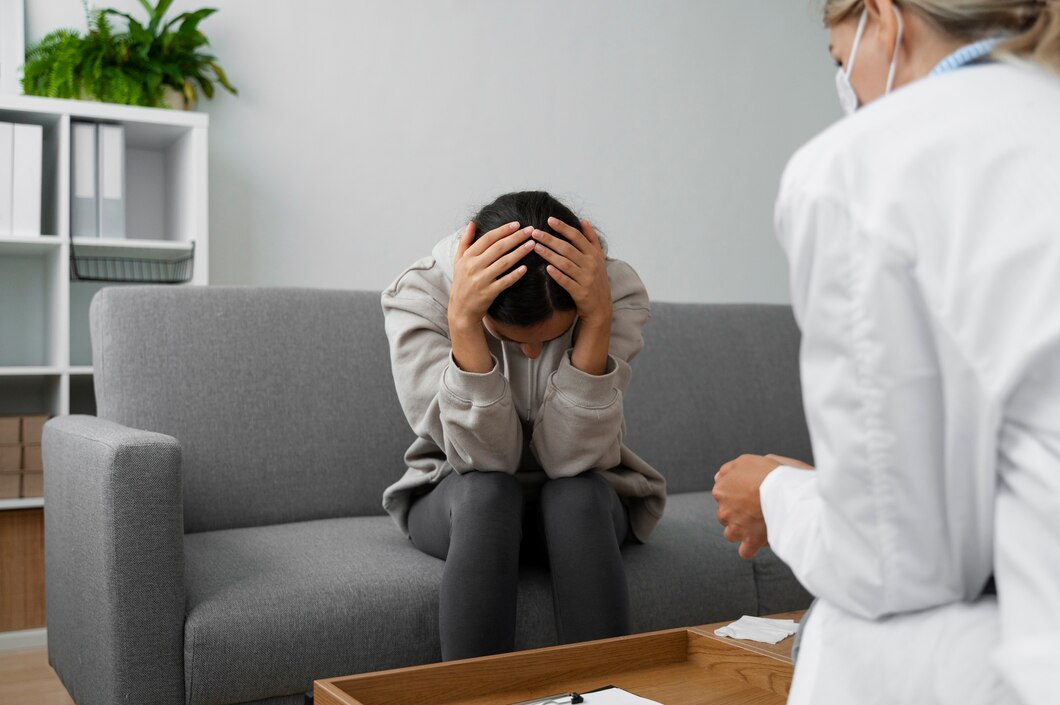
Stress and anxiety are common experiences in everyday life. While a small amount of stress can motivate us to perform better, prolonged Stress and anxiety can negatively affect both mental and physical health. Understanding these effects is crucial for managing well-being and maintaining a balanced life. This article will explore the causes, symptoms, and consequences of stress and anxiety, along with practical strategies to reduce their impact.
- Understanding Stress and Anxiety
- Causes of Stress and Anxiety
- Mental Health Effects of Stress and Anxiety
- Physical Health Effects of Stress and Anxiety
- Real-Life Examples of Stress and Anxiety Effects
- Strategies to Manage Stress and Anxiety
- Case Study: Managing Workplace Stress
- Importance of Early Intervention
- Conclusion
- FAQs
Understanding Stress and Anxiety
Stress is the body’s natural response to challenging or threatening situations. It triggers a “fight or flight” reaction, releasing hormones such as adrenaline and cortisol. These hormones prepare the body to respond to danger by increasing heart rate, blood pressure, and energy levels.
Anxiety, while related to stress, is slightly different. It is a feeling of worry or fear that can persist even without an immediate threat. Anxiety can be temporary, such as feeling nervous before a test, or chronic, affecting everyday life.
Both stress and anxiety can be mild or severe, and they often overlap. Persistent stress can trigger anxiety disorders, and prolonged anxiety can increase stress levels, creating a cycle that impacts overall health.
Causes of Stress and Anxiety
Stress and anxiety can arise from various sources, and understanding them is the first step in managing their effects. Common causes include:
- Academic or work pressure
- Family or relationship issues
- Financial difficulties
- Health problems
- Major life changes, such as moving or loss of a loved one
- Environmental factors, like noise, crowding, or unsafe surroundings
Recognizing these triggers helps individuals anticipate and manage their stress and anxiety before it escalates.
Mental Health Effects of Stress and Anxiety
Stress and anxiety affect the brain and emotions, often resulting in mental health challenges. Common mental health effects include:
1. Difficulty Concentrating
When the brain is preoccupied with stress or worry, focusing on tasks becomes challenging. This can affect school performance, work productivity, and daily decision-making.
2. Mood Disorders
Prolonged stress and anxiety may lead to depression, irritability, or sudden mood swings. Individuals may feel hopeless or overwhelmed, reducing their quality of life.
3. Sleep Problems
Stress and anxiety often interfere with sleep patterns. Difficulty falling asleep, staying asleep, or experiencing restful sleep can exacerbate mental strain and fatigue.
4. Emotional Exhaustion
Constant worry and stress can cause emotional burnout. This state makes it harder to handle daily challenges and may lead to feelings of detachment or apathy.
5. Impaired Cognitive Function
Chronic stress affects memory and decision-making. High cortisol levels can damage brain cells, making it harder to retain information or think clearly.
Physical Health Effects of Stress and Anxiety
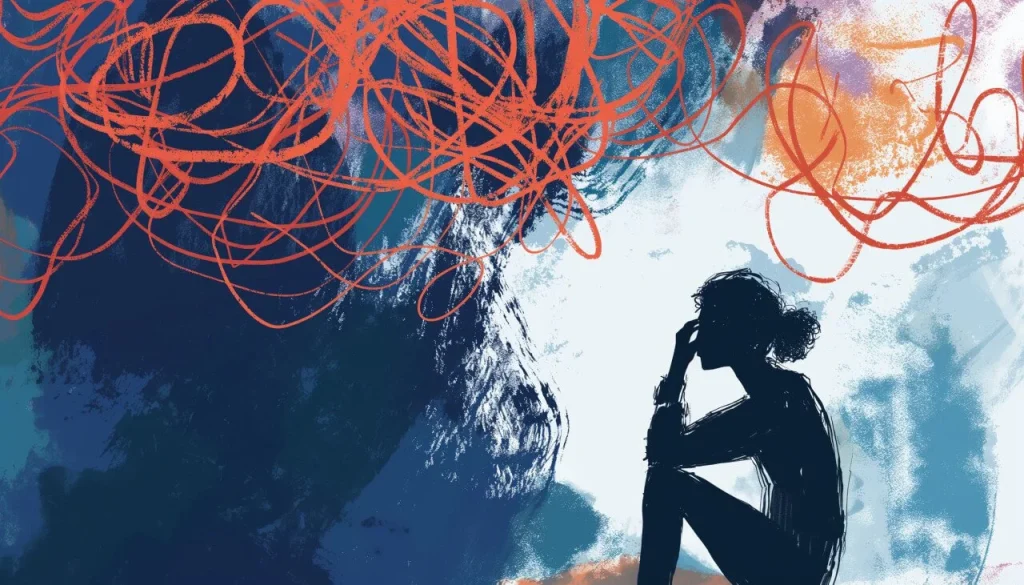
Stress and anxiety do not only affect the mind—they also have significant physical consequences. Chronic stress can harm nearly every system in the body.
1. Cardiovascular Problems
Stress increases heart rate and blood pressure. Over time, this can lead to hypertension, heart attacks, or strokes. Individuals under prolonged stress may also experience chest pain or palpitations.
2. Immune System Suppression
High stress levels can weaken the immune system, making it harder for the body to fight infections. This increases susceptibility to illnesses such as colds, flu, and other infections.
3. Digestive Issues
Stress and anxiety can cause stomachaches, nausea, diarrhea, or constipation. Chronic stress may contribute to conditions like irritable bowel syndrome (IBS) or acid reflux.
4. Muscle Tension and Pain
Stress causes muscles to contract, leading to tension headaches, back pain, or jaw pain. Over time, this can result in chronic discomfort or injury.
5. Weight and Appetite Changes
Some individuals experience increased appetite and weight gain under stress, while others may lose appetite and lose weight. These changes can affect overall health and energy levels.
Real-Life Examples of Stress and Anxiety Effects
Consider a high school student preparing for exams. Constant worry about grades may cause sleepless nights, irritability, and headaches. The student might struggle to concentrate in class, forget important assignments, and feel emotionally drained.
Another example is a working professional facing a tight deadline. Stress may lead to increased heart rate, frequent colds due to lowered immunity, and strained relationships with colleagues. Over time, these effects can accumulate, resulting in burnout or serious health problems.
Strategies to Manage Stress and Anxiety
Managing stress and anxiety involves both lifestyle adjustments and practical techniques. Here are some evidence-based strategies:
1. Practice Mindfulness and Meditation
Mindfulness exercises help individuals focus on the present moment, reducing worry about the past or future. Meditation can lower cortisol levels, promote relaxation, and improve emotional well-being.
2. Engage in Physical Activity
Regular exercise reduces stress hormones, improves mood, and boosts overall health. Activities such as walking, jogging, yoga, or swimming are effective for relieving tension.
3. Maintain a Balanced Diet
Eating nutritious foods supports brain function and reduces stress-related fatigue. Avoid excessive caffeine or sugar, which can increase anxiety symptoms.
4. Prioritize Sleep
Establishing a consistent sleep routine and creating a calm environment can improve sleep quality. Good sleep helps regulate emotions and restores mental and physical energy.
5. Develop Healthy Coping Mechanisms
Journaling, talking to a trusted friend, or seeking professional support can help process stress and anxiety. Avoid relying on alcohol, drugs, or unhealthy behaviors as coping mechanisms.
6. Set Realistic Goals
Breaking tasks into smaller, manageable steps reduces feelings of overwhelm. Time management and prioritization can prevent unnecessary stress.
7. Seek Professional Help
If stress and anxiety interfere with daily life, consulting a mental health professional is essential. Therapy, counseling, or medication can provide targeted support and long-term relief.
Case Study: Managing Workplace Stress
Jane, a 30-year-old marketing professional, experienced severe anxiety due to project deadlines. She often worked late, skipped meals, and lost sleep, which led to frequent headaches and irritability. By practicing mindfulness meditation, incorporating daily walks, and speaking with a therapist, Jane gradually reduced her anxiety. Her sleep improved, her focus returned, and her overall health stabilized, illustrating how practical strategies can mitigate the effects of stress and anxiety.
Importance of Early Intervention
Addressing stress and anxiety early can prevent long-term mental and physical health problems. Recognizing warning signs—such as persistent worry, fatigue, irritability, or physical discomfort—enables individuals to take proactive steps. Early intervention improves coping skills, enhances quality of life, and promotes resilience against future stressors.
Conclusion
Stress and anxiety are natural responses to life’s challenges, but when persistent, they can have serious effects on both mental and physical health. By understanding the causes, recognizing symptoms, and implementing evidence-based strategies, individuals can manage stress and anxiety effectively. Regular self-care, mindfulness, physical activity, balanced nutrition, and professional support are key to maintaining emotional and physical well-being. Prioritizing mental health is not just about reducing stress—it is about building resilience, enhancing focus, and living a healthier, more fulfilling life. Make the most of our platform—start from the main homepage today.
FAQs
What are the most common signs of stress and anxiety?
Common signs include irritability, restlessness, difficulty concentrating, fatigue, sleep disturbances, headaches, muscle tension, and digestive issues. Emotional symptoms like worry or mood swings are also frequent indicators.
Can stress and anxiety affect physical health?
Yes, chronic stress and anxiety can cause cardiovascular problems, weakened immunity, digestive issues, muscle pain, sleep problems, and changes in weight or appetite. Long-term effects may lead to serious health complications.
How can I reduce stress and anxiety naturally?
Practical strategies include practicing mindfulness or meditation, exercising regularly, maintaining a balanced diet, getting quality sleep, setting realistic goals, journaling, and seeking support from friends, family, or professionals.