Comprehensive Insights into Warehouse Management and Operations
Understanding Warehouse Basics
What is a Warehouse?
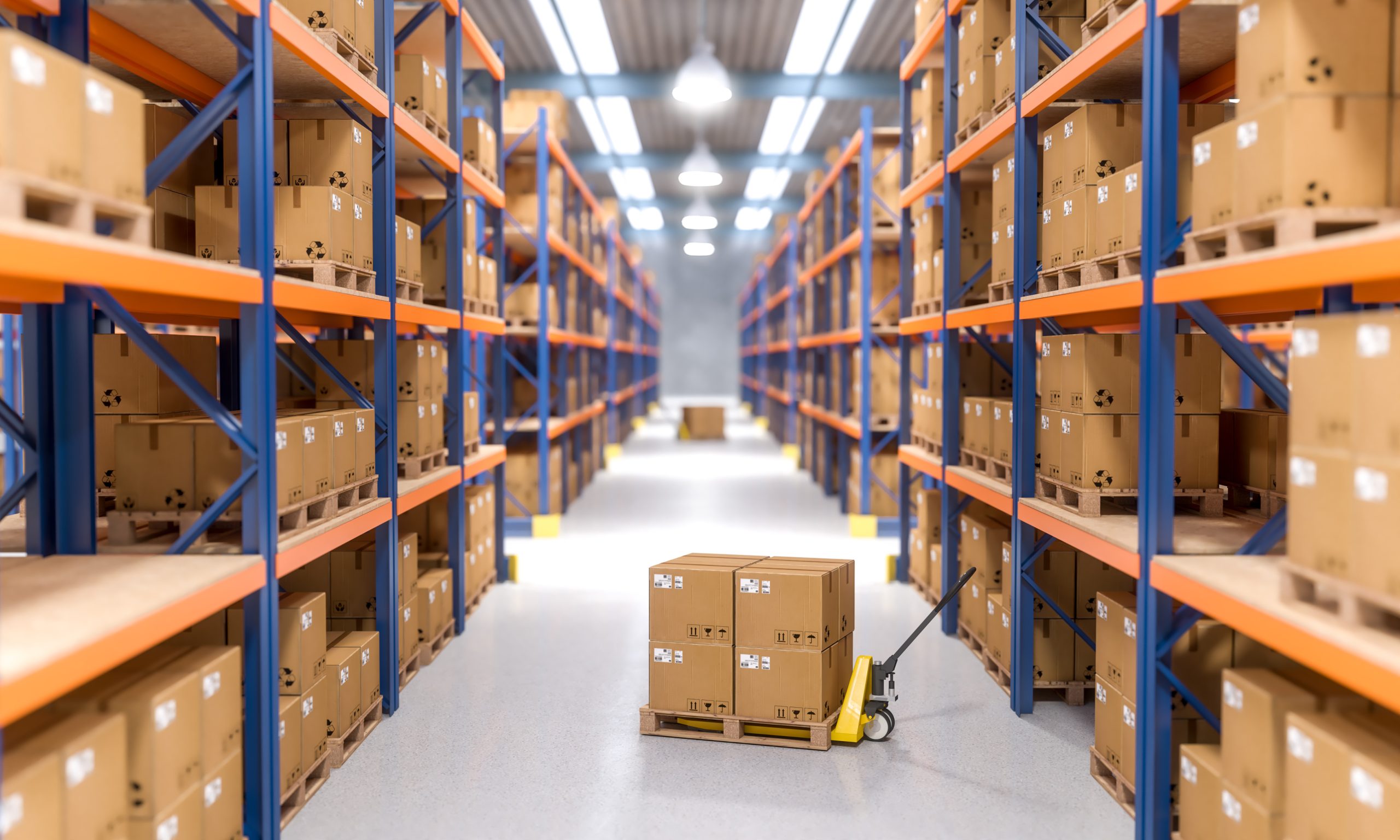
A warehouse is a large building designated for the storage of goods. Operated typically in the context of commercial activities, warehouses serve as crucial nodes in supply chain logistics. They might store raw materials, finished products, or anything in between, allowing businesses to facilitate the seamless flow of products from manufacturers to consumers.
Historically seen as vast, empty structures, modern warehouses are increasingly equipped with sophisticated technologies to support inventory management, shipping, and more. According to industry reports, the global warehouse market was valued in the billions and is expected to grow further due to increasing e-commerce demands and logistical complexities.
Key Functions of Warehouses
Warehouses perform several key functions critical to supply chain management:
- Storage: The primary purpose of a warehouse is to store goods safely until they are needed. This includes not only physical storage but also ensuring the optimal environmental conditions for products sensitive to temperature or humidity.
- Inventory Management: Warehouses manage inventory levels to meet demand while minimizing carrying costs. They utilize various inventory management systems to monitor stock levels, leading to improved forecasting and reduced waste.
- Order Fulfillment: Modern warehouses also play an integral role in order fulfillment, picking and packing products for shipment. Speed and accuracy in this function can significantly enhance customer satisfaction.
- Cross-Docking: In this process, incoming goods are unloaded from one truck and loaded directly onto outbound trucks with minimal storage time in between, facilitating faster delivery times.
- Transportation: Many warehouses are strategically located near transportation hubs, allowing for efficient distribution routes. This positioning enhances operational efficiency and reduces shipping costs.
Types of Warehouses and Their Uses
Warehouses can be categorized into various types, each fulfilling specific needs and functions:
- Public Warehouses: These are open to any business that wants to rent space for storing goods. They are ideal for small businesses that do not have enough volume to justify their own warehouse.
- Private Warehouses: Owned and operated by a company for their own storage needs, these facilities provide control over inventory management and operational practices.
- Distribution Centers: Focused on the rapid movement of goods rather than storage, distribution centers play a crucial role in supply logistics, particularly for e-commerce.
- Climate-Controlled Warehouses: These facilities maintain specific temperature and humidity levels and are essential for storing perishable items or sensitive materials like electronics.
- Smart Warehouses: These utilize internet of things (IoT) and automation technologies for enhanced efficiency and accuracy in inventory and operations.
Warehouse Design and Layout
Principles of Effective Warehouse Design
The design of a warehouse has a significant impact on its efficiency and effectiveness. Key principles of effective warehouse design include:
- Flow Optimization: The layout should facilitate a smooth flow of goods throughout the space, from receipt to storage to shipment.
- Space Utilization: Effective design considers vertical space and ensures that shelving or racking systems are adequate to maximize storage without impeding movement.
- Accessibility: Strategic placement of aisles and accessibility to products is crucial for efficiency. This includes considerations for both picking and restocking.
- Scalability: A well-designed warehouse allows for future expansion or modifications as business needs grow and evolve.
- Safety: Safety protocols and measures must be built into the design to protect workers and reduce accidents.
Layout Strategies to Optimize Space
Warehouse layout strategies can greatly enhance space efficiency. Some effective strategies include:
- Grid Layout: This is the most common layout, with straight aisles and rows, making it easy to navigate and locate products quickly.
- Dynamic Slotting: In this strategy, the placement of goods changes based on demand to minimize travel time for order pickers.
- Zone Layout: This creates specific areas for different product types, improving organization and allowing for inventory segregation.
- Flow-Through Layout: Ideal for e-commerce, this layout allows goods to move through receiving, storage, and shipping without extensive handling.
Importance of Safety in Warehouse Design
Safety should always be a priority in warehouse design. Implementing safety features can help minimize the risk of accidents, which in turn reduces liabilities and increases employee morale. Key components of safety in warehouse design include:
- Wide Aisles: Adequately wide aisles facilitate the movement of goods and personnel while reducing collision risks.
- Clear Signage: Proper signage indicating directions, hazards, and safety protocols ensures that workers can navigate the space safely.
- Emergency Exits: Clearly marked and accessible emergency exits and routes are essential for safety compliance.
- Regular Safety Audits: Conducting audits and assessments helps ensure compliance with safety regulations and can highlight potential hazards.
Technology in Warehouse Operations
Warehouse Management Systems (WMS)
A Warehouse Management System (WMS) is critical for managing warehouse operations efficiently. It provides tools and features that streamline processes, from receiving goods to shipping them out. Key functionalities of a WMS include:
- Inventory Tracking: WMS allows for real-time visibility into stock levels, ensuring that businesses can fulfill orders while optimizing inventory levels.
- Order Management: The system facilitates better order processing, enabling faster picking, packing, and shipping.
- Performance Analysis: WMS typically includes reporting and analytics features that provide insights into operational efficiency, allowing for data-driven decisions.
- Integration: WMS can integrate with other systems (e.g., CRM, ERP) for a comprehensive view of business operations.
Automation and Robotics in Warehousing
The use of automation and robotics in warehouses is increasing, driven by the need for efficiency and labor cost reduction. Some common applications include:
- Automated Picking Systems: These systems utilize robots to retrieve items from shelves, significantly speeding up the picking process.
- Conveyor Systems: Automated conveyors transport items across the warehouse, reducing the need for manual labor in moving goods.
- Autonomous Mobile Robots (AMRs): AMRs can navigate the warehouse environment safely while transporting goods, aiding in inventory management.
- Automated Forklifts: These modern forklifts are programmed to carry loads from one location to another without human intervention.
The Role of Data Analytics in Warehousing
Data analytics plays a critical role in modern warehouse management by offering valuable insights into performance metrics and operational trends. Key areas where data analytics provides value include:
- Demand Forecasting: Analytics tools help predict future demand based on historical data, enabling better inventory management.
- Operational Efficiency: Workflow analysis identifies bottlenecks or inefficiencies in processes, allowing for targeted improvements.
- Cost Management: Understanding cost drivers and performance helps warehouses implement cost-saving measures.
- Customer Service: Analytics provides insights into order fulfillment rates, shipping times, and other factors that impact customer satisfaction.
Workforce Management in Warehousing
Recruiting and Training Warehouse Staff
Recruiting the right workforce and providing adequate training are essential for smooth warehouse operations. Key considerations include:
- Job Descriptions: Clear and accurate job descriptions help attract suitable candidates for warehouse positions.
- Training Programs: Effective onboarding and continuous training programs enhance safety and efficiency, ensuring employees are equipped with necessary skills.
- Employee Retention: Offering career development opportunities and recognizing employee contributions can improve retention rates.
Benefits of Employee Engagement in Warehouses
Engaged employees are more productive and contribute positively to warehouse culture. Benefits of fostering employee engagement include:
- Increased Productivity: Engaged workers are generally more efficient, resulting in faster completion of tasks.
- Better Safety Records: Employees who feel valued and connected to their workplace are more likely to adhere to safety protocols.
- Reduced Turnover: High levels of engagement reduce employee turnover, which can be costly for businesses.
Safety Training and Compliance Measures
Implementing rigorous safety training and compliance measures is vital for minimizing workplace accidents. Strategies for accomplishing this include:
- Regular Training Sessions: Routine safety training ensures that employees are aware of risks and best practices.
- Compliance Audits: Periodic internal audits verify adherence to safety regulations and help identify areas for improvement.
- Incident Reporting Systems: Having a process for reporting near misses and accidents promotes a culture of safety and continuous improvement.
Future Trends in Warehouse Management
Sustainability Practices in Warehousing
As businesses increasingly focus on sustainability, warehouses are adapting by implementing greener practices. Key trends in sustainable warehousing include:
- Energy-Efficient Lighting: Utilizing LED lighting solutions reduces energy consumption significantly.
- Solar Energy: Many warehouses are integrating solar panels to generate renewable energy.
- Waste Reduction Programs: Initiatives focused on recycling and waste reduction minimize the environmental impact of warehouse operations.
The Impact of E-commerce on Warehousing
The boom in e-commerce has dramatically changed warehousing practices. Key impacts include:
- Increased Demand for Fast Shipping: Customer expectations for faster delivery times have prompted warehouses to optimize their operations.
- Adoption of Micro-Fulfillment Centers: Small-scale local warehouses are rising to facilitate quicker deliveries within urban areas.
- Enhanced Supply Chain Visibility: E-commerce has increased the need for robust tracking and visibility systems throughout the supply chain.
Innovations Shaping the Future of Warehousing
New technologies and innovations continue to transform warehousing. Some significant innovations include:
- Augmented Reality (AR): AR is being explored for picking operations, allowing workers to visualize item locations using headsets or mobile devices.
- Blockchain Technology: This technology is being used to enhance transparency and security in storage and shipment processes.
- Advanced Robotics: Ongoing advancements in robotics promise increased automation in tasks traditionally performed by humans, enhancing efficiency and reducing errors.