
Essential Insights on Structural Steel Welding Techniques and Best Practices
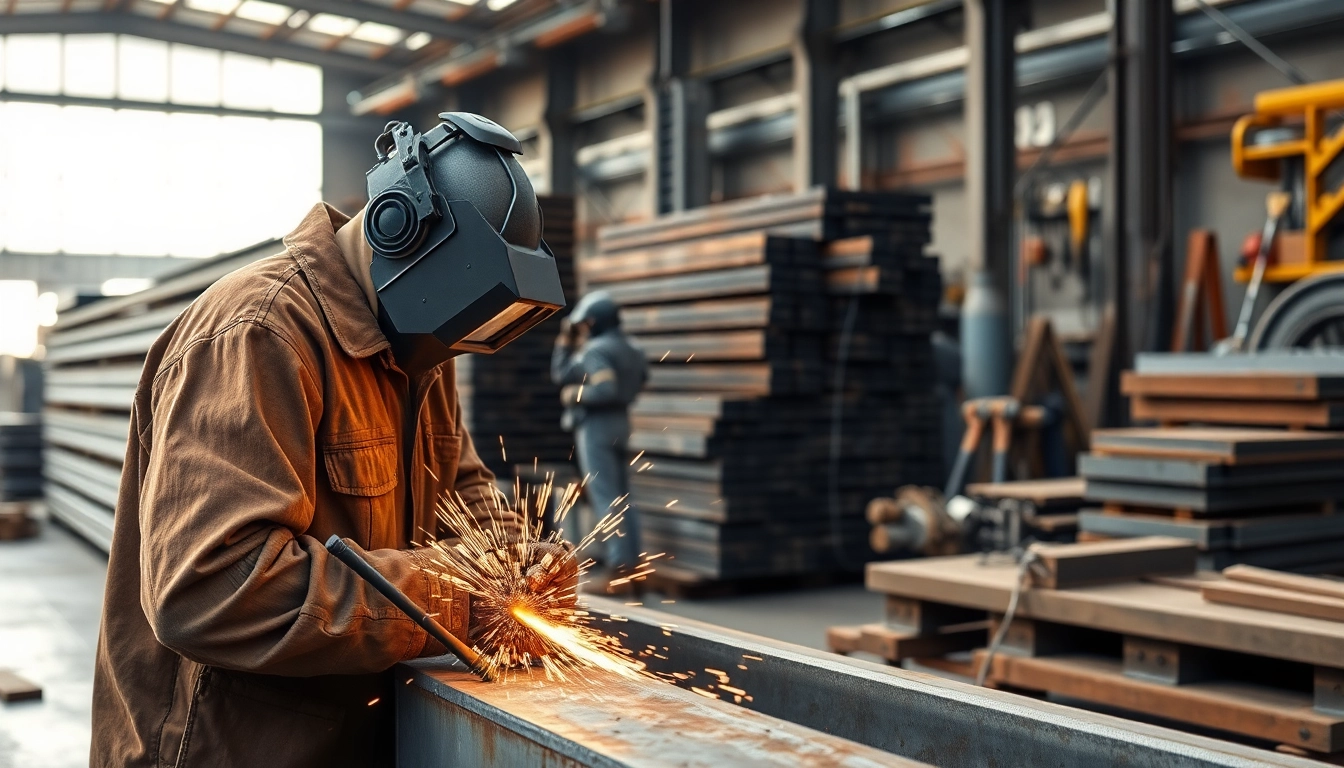
Introduction to Structural Steel Welding
Structural steel welding is a crucial process in the construction and manufacturing sectors, allowing for the creation of robust, load-bearing structures that define modern architecture. This specialized welding method offers the strength needed for bridges, buildings, and various infrastructures. As projects become increasingly complex, understanding the nuances of structural steel welding is essential for anyone involved in construction. In this article, we will explore the importance, techniques, tools, challenges, and future trends related to structural steel welding.
What is Structural Steel Welding?
Structural steel welding refers to the processes used to join structural components made of steel, thereby forming strong, resilient connections that can withstand various loads and stresses. This welding technique is integral to establishing the core framework of many infrastructure projects. In essence, structural welding enables the fabrication of vital elements like beams, columns, and trusses, ultimately contributing to the safety and stability of the entire structure.
Importance of Structural Steel Welding in Construction
The significance of structural steel welding lies in its ability to facilitate complex designs, ensuring that structures are both functional and aesthetically pleasing. This process not only allows for greater architectural flexibility but also helps reduce construction time and cost. Moreover, as building codes and regulations become more stringent, high-quality welding ensures compliance with safety standards, enhancing the longevity and durability of structures.
Key Safety Measures in Structural Steel Welding
Safety is paramount in structural steel welding, given the hazardous nature of the work involving high temperatures and heavy materials. Key measures include:
- Proper training and certification for welders.
- Use of Personal Protective Equipment (PPE) such as helmets, gloves, and fire-resistant clothing.
- Ensuring well-ventilated workspaces to mitigate exposure to harmful fumes.
- Following best practices for equipment operation and maintenance.
- Conducting safety audits and regular inspections of tools and work environments.
Types of Structural Steel Welding Techniques
Arc Welding: Understanding its Role
Arc welding is one of the most commonly employed methods in structural steel welding. This technique uses an electric arc between a consumable or non-consumable electrode and the steel base to create heat, melting and joining the materials. Arc welding is versatile, suitable for various positions, and can be efficiently performed both indoors and outdoors.
Gas Metal Arc Welding (GMAW) Explained
Gas Metal Arc Welding (GMAW), also known as MIG (Metal Inert Gas) welding, is popular for its speed and high-quality welds. In this process, a continuous wire electrode supplies the filler material while a shielding gas protects the molten weld area from contaminants. GMAW is particularly effective for welding thin to medium-thickness steel and is widely used in fabrication and construction settings.
Comparing Shielded Metal Arc Welding (SMAW) and GMAW
When comparing Shielded Metal Arc Welding (SMAW) and GMAW, each method has its strengths:
- SMAW: Offers greater versatility and can be used in a variety of environments, especially outdoor applications. It requires minimal equipment and is easier for beginners to learn.
- GMAW: Provides faster production rates and cleaner welds, making it ideal for automotive and manufacturing industries. However, it requires more equipment and is less adaptable to windy conditions.
Tools and Equipment for Structural Steel Welding
Essential Welding Machines
Different welding techniques require specific machines. Common welding machines used for structural steel welding include:
- Stick welders for SMAW, known for simplicity and versatility.
- Mig welders for GMAW, favored for their speed and ease of use.
- TIG (Tungsten Inert Gas) welders for precision work, suitable for thin materials or special applications.
Protective Gear for Welders
To ensure the safety of welders, protective gear is essential. The basics include:
- Welding helmets with appropriate filters for eye protection.
- Fire-resistant jackets and gloves to prevent burns.
- Respirators or masks for protection against harmful fumes and particulate matter.
- Steel-toed boots to protect feet from falling objects.
Measurement Tools for Precision
Accurate measurements are vital in structural steel welding to ensure proper fit and alignment. Essential measurement tools include:
- Calipers for precise measurements of materials.
- Tape measures for general dimensions.
- Square and levels ensure angles and alignments are correct.
Common Challenges in Structural Steel Welding
Identifying and Fixing Common Welding Defects
Welding defects can compromise structural integrity. Common issues include:
- Porosity: Caused by trapped gas, remedied by adjusting welding parameters.
- Cracks: Often occur due to rapid cooling; preheating materials can help mitigate this.
- Inadequate penetration: Adjusting travel speed and arc length can achieve better results.
Managing Material Deformations
Heat from welding can cause warping or distortion. To manage deformations, techniques such as controlled cooling and strategic welding sequences are employed. Maintaining consistent filler material and welding techniques also reduces the risk of deformation.
Ensuring Structural Integrity in Your Welds
Regular inspections, adherence to established welding standards, and thorough documentation of welding processes help ensure the structural integrity of welds. Non-destructive testing methods like ultrasonic or radiographic inspection can reveal internal flaws that aren’t visible to the naked eye.
Future Trends in Structural Steel Welding
Advancements in Welding Technology
The future of structural steel welding is being shaped by technological advancements such as robotic welding systems, which increase efficiency and precision. Furthermore, the integration of Artificial Intelligence (AI) in welding techniques is paving the way for error detection and process optimization.
The Impact of Automation on Welding
As automation becomes more prevalent in construction, the role of welders will evolve. Automated welding can significantly increase production rates and decrease labor costs, but it will also require welders to adapt to working alongside machines.
The Growing Demand for Skilled Welders
As infrastructure projects proliferate, the demand for skilled welders is on the rise. Initiatives to attract new talent, improve training programs, and emphasize the importance of welding in building sustainable structures will be critical to meeting this growing need.
FAQs about Structural Steel Welding
What type of welding is used for structural steel?
The most common methods are Shielded Metal Arc Welding (SMAW), Gas Metal Arc Welding (GMAW), and Flux-Cored Arc Welding (FCAW), each suited to specific applications and conditions.
What does a structural steel welder do?
A structural steel welder assembles and joins steel components, ensuring the integrity of frameworks for buildings, bridges, and towers through precise welding techniques.
Is structural welding a good career?
Yes, structural welding is a rewarding career field with strong job security and growth opportunities, thanks to the increasing demand for skilled tradespeople in construction and infrastructure sectors.
Which is better, SMAW or GMAW?
It depends on the application. SMAW offers versatility and ease of use in challenging environments, while GMAW provides faster welding speeds and cleaner welds for factory settings.
What are common welding defects?
Common defects include porosity, cracks, and incomplete fusion. These can often be prevented through proper technique, adequate training, and adherence to welding standards.


