Understanding the Basics of Structural Steel Installation
Structural steel installation is a crucial aspect of modern construction, enabling the creation of durable, resilient buildings and infrastructures. By understanding the ins and outs of this process, stakeholders can ensure the successful execution of projects that stand the test of time. Whether you are a construction manager, an architect, or a building owner, having a solid grasp of structural steel installation paves the way for higher quality outcomes. In this comprehensive guide, we will delve deeply into all facets of structural steel installation, from the foundational elements to advanced techniques and best practices.
What is Structural Steel Installation?
At its core, structural steel installation is the process of erecting steel frames that form the backbone of buildings and structures. These steel components provide the necessary support for floors, roofs, and other features, as well as offering resilience against environmental factors such as wind, earthquakes, and snow loads. The installation process involves several critical steps, including site preparation, the assembly of steel parts, and final inspections to ensure safety and structural integrity.
Key Components of Structural Steel Systems
Understanding the various components that make up structural steel systems is essential for anyone involved in construction.
- Steel Beams: Horizontal supports that transfer loads to vertical structures.
- Columns: Vertical elements designed to support beams and other vertical loads.
- Braces: Diagonal supports that provide stability and prevent structural deformation.
- Purlins: Horizontal members that support roof sheathing or other materials.
- Girders: Main horizontal supports that connect columns and withstand larger loads.
Common Applications of Structural Steel
Structural steel is integral to many facets of construction, with applications that span various sectors:
- Commercial Buildings: Skyscrapers, office complexes, and retail spaces frequently rely on structural steel for their frameworks.
- Industrial Facilities: Warehouses and manufacturing plants utilize structural steel for large open spaces and strength.
- Infrastructure Projects: Bridges, railways, and overpasses are often constructed using structural steel due to its load-bearing capabilities.
- Residential Construction: Increasingly, homes incorporate structural steel for strength, particularly in custom designs.
Preparation Steps for Successful Structural Steel Installation
Preparation is key to ensuring a smooth structural steel installation process. Each project phase is critical for achieving the desired results and minimizing risks.
Site Assessment and Planning
Before any steel is fabricated or constructed, a thorough site assessment must be carried out. This includes:
- Soil Testing: Understand the soil capacity to support the structure and identify any potential issues.
- Site Layout: Develop plans that detail where steel will be placed and how it will interact with other site elements.
- Permitting: Secure all necessary permits and approvals from local governing bodies to ensure compliance with building codes.
Essential Tools and Equipment for Installation
The right tools and equipment are imperative for efficient and safe structural steel installation. Essentials include:
- Cranes: To lift heavy steel beams and columns into place.
- Welders: For joining steel components securely.
- Torque Wrenches: To ensure bolts are tightened to the necessary specifications.
- Safety Gear: Hard hats, harnesses, and other PPE must be worn on site to protect workers.
Safety Measures Before Installation
Prioritizing safety can prevent accidents and injuries during installation. Key measures include:
- Site Safety Audits: Conduct regular evaluations to identify hazards.
- Training Programs: Ensure all team members are trained in safety protocols and emergency procedures.
- Checklists: Use pre-installation checklists to ensure that everything is in place before starting work.
Techniques for Effective Structural Steel Installation
Once preparation is completed, the installation phase can commence. Employing effective techniques ensures structural integrity and design adherence.
Setting Up Foundations and Framework
The foundation serves as the base for any steel structure, requiring attention to detail. Steps include:
- Excavation: Removing soil to create a solid base for the foundation.
- Footing Installation: Pouring concrete footings to support steel columns and beams.
- Grading: Ensuring the ground is leveled accurately to prevent structural discrepancies.
Assembling Steel Beams and Columns
This critical step involves careful positioning and joining of structural elements:
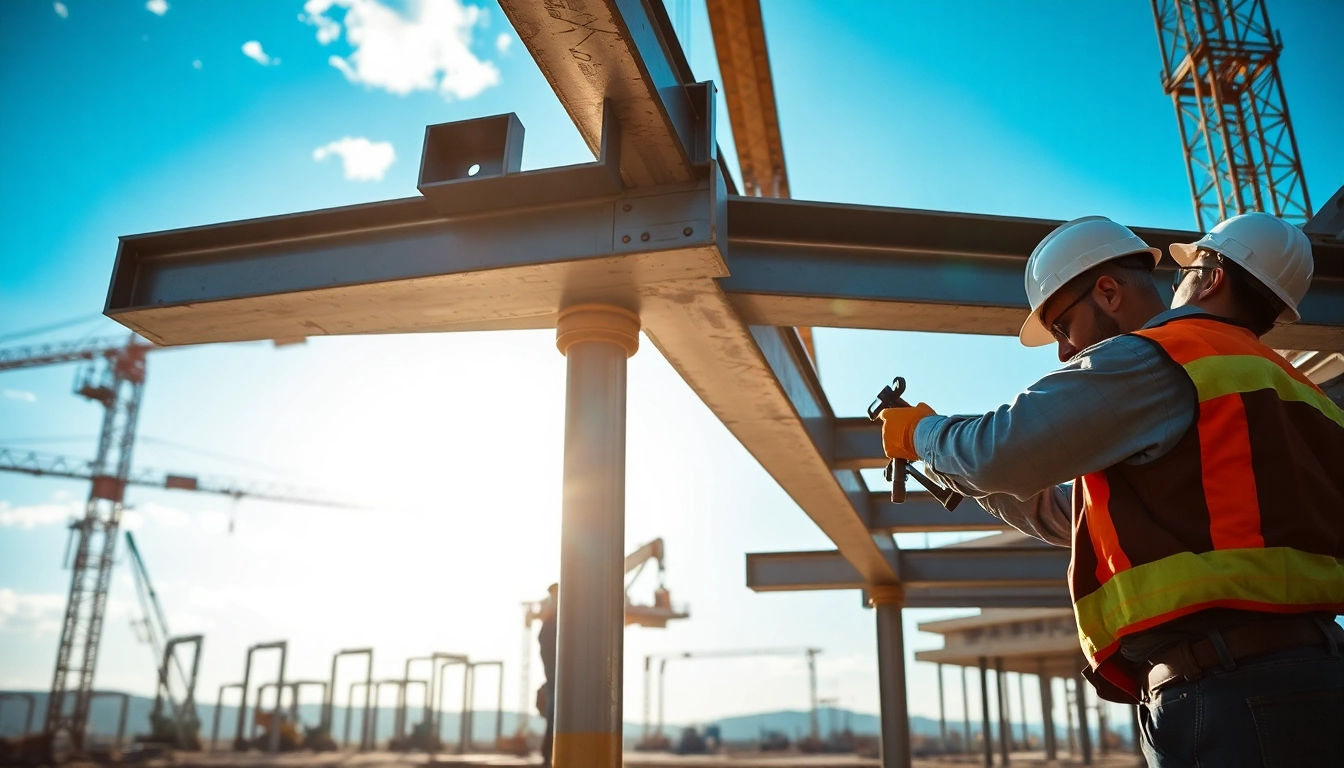
- Setting Columns: Position columns accurately using cranes and secure them in place with temporary bracing.
- Installing Beams: Attach beams to columns following the approved layout plan.
- Plumb and Level Checks: Regularly verify that columns are upright and beams are level.
Installation of Braces and Purlins
Bracing and purlin installation provides lateral support and structural stability:
- Braces: Install diagonal braces to enhance strength against lateral forces.
- Purlins: Attach purlins at required intervals to maintain roof support and alignment.
Best Practices for Structural Steel Installation
Incorporating best practices ensures high-quality outcomes and adherence to safety standards.
Quality Control Measures
Implementing rigorous quality control processes can mitigate risks and improve outcomes:
- Material Inspection: Test steel materials upon delivery to ensure they meet specifications.
- Welding Inspections: Regularly inspect welds to ensure they are properly executed and strong.
Ensuring Compliance with Industry Standards
Adherence to local and national building codes and standards is crucial. This may involve:
- Regular Training: Keep crews informed about the latest codes and standard practices.
- Documentation: Maintain precise records of compliance efforts and inspections.
Common Mistakes to Avoid
Avoid pitfalls that can lead to costly delays or structural failures:
- Inaccurate Measurements: Always double-check dimensions before fabrication and installation.
- Neglecting Safety Protocols: Prioritize safety over expediency to avoid accidents.
Post-Installation Procedures for Structural Steel
After the installation, certain steps must be taken to ensure continued safety and functionality of the structure.
Inspection and Load Testing
Post-installation inspections are crucial for verifying structural integrity. This process should include:
- Visual Inspections: Assess welds and connections visually to ensure no defects are present.
- Load Testing: Conduct tests to evaluate the structure's ability to handle designated load limits.
Ongoing Maintenance for Structural Integrity
Ensuring the longevity of a steel structure requires regular maintenance, including:
- Routine Inspections: Establish a schedule for periodic evaluations of the structure.
- Repairs: Address any issues immediately to prevent escalation, including rust treatment or bolt replacements.
Future Trends in Structural Steel Installation
The industry is evolving, and several trends are beginning to shape the future of structural steel installation:
- Sustainable Practices: Increasingly, sustainable materials and practices are influencing design and construction.
- Advanced Technologies: Incorporating technologies like 3D modeling and automation can enhance precision and efficiency.
- Prefabrication: Off-site prefabrication is becoming more common, allowing for quicker installation times and reduced waste.