
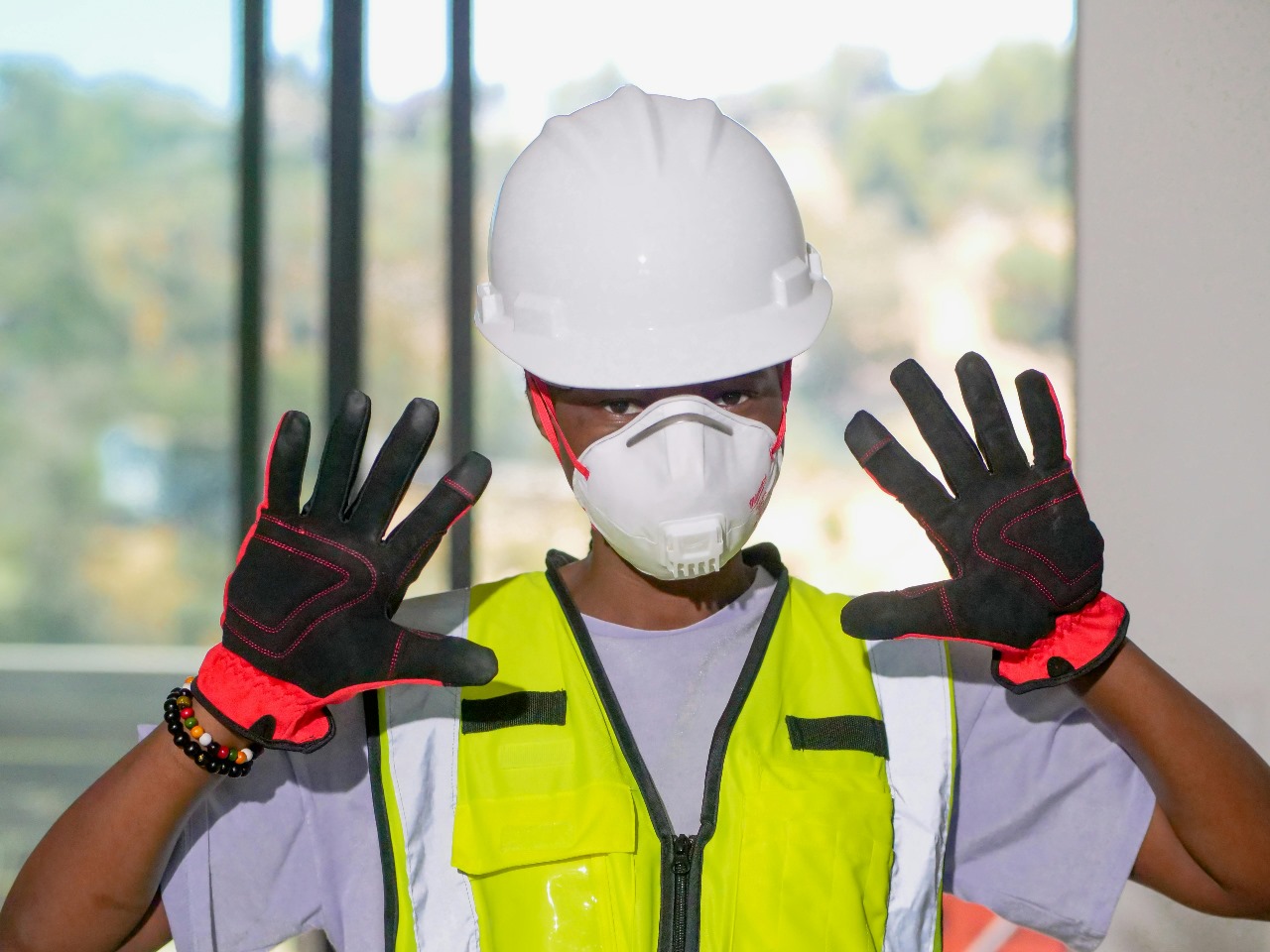
Understanding Real-Time Safety Alerts
In today’s fast-paced industrial and corporate environments, real-time safety alerts play a critical role in preventing accidents and ensuring employee well-being. Real-time safety alerts provide immediate notifications about hazards, unsafe conditions, or compliance issues. By leveraging these alerts, organizations can respond quickly to potential dangers and reduce the risk of workplace incidents.
Real-time safety alerts are not just notifications; they are a proactive approach to workplace safety. With the integration of AI safety management systems, these alerts can be tailored to specific workflows, equipment, or employee locations, ensuring that the right people receive the right information at the right time.
The Role of AI in Real-Time Safety Alerts
Artificial intelligence has transformed the way organizations manage safety. AI systems can analyze vast amounts of data from sensors, equipment, and employee activity to identify patterns that may indicate potential hazards. This analysis allows AI to generate real-time safety alerts that are both timely and accurate.
AI-powered safety management ensures that real-time safety alerts are predictive rather than reactive. For example, AI can detect trends such as equipment overheating, chemical leaks, or unsafe behavior patterns and send alerts before an incident occurs. This capability drastically reduces workplace accidents and improves overall safety compliance.
Key Benefits of Real-Time Safety Alerts
1. Immediate Hazard Notification
One of the primary benefits of real-time safety alerts is instant hazard notification. Workers and management receive immediate updates when a safety concern arises, allowing for rapid response. This prompt notification can prevent minor issues from escalating into major accidents.
2. Enhanced Decision-Making
Real-time safety alerts provide actionable insights. Management can make informed decisions about evacuations, equipment shutdowns, or workflow adjustments based on the alerts. This data-driven approach enhances operational safety and efficiency.
3. Regulatory Compliance
Many industries are subject to strict safety regulations. Real-time safety alerts ensure that organizations meet compliance standards by providing timely evidence of safety monitoring and incident reporting. This proactive approach minimizes the risk of regulatory fines and legal issues.
4. Reduced Downtime
By addressing hazards promptly, real-time safety alerts help reduce downtime caused by accidents or equipment failure. Continuous monitoring and immediate alerts ensure that operations continue smoothly while maintaining employee safety.
Implementing Real-Time Safety Alerts in the Workplace
Implementing a real-time safety alerts system begins with a thorough assessment of workplace hazards. Organizations must identify high-risk areas, equipment, and processes that require monitoring. AI-powered safety management platforms can then integrate with existing safety protocols to deliver targeted alerts.
Training employees on how to respond to real-time safety alerts is equally important. Workers should understand the priority of alerts, the steps to mitigate risks, and how to report incidents. Combining technology with proper training ensures that real-time safety alerts are effective and reliable.
Real-Time Safety Alerts for Industrial Environments
Industrial environments, including manufacturing, construction, and chemical plants, benefit significantly from real-time safety alerts. In these settings, hazards can develop quickly, and immediate action is critical. AI-driven safety systems can monitor machinery, environmental conditions, and worker movements to generate alerts for potential injuries, equipment malfunctions, or environmental hazards.
For example, in a chemical plant, real-time safety alerts can notify staff of gas leaks, temperature spikes, or chemical spills instantly. This quick response capability protects employees and prevents costly damage to equipment and facilities.
Real-Time Safety Alerts for Corporate Offices
Real-time safety alerts are not limited to industrial settings. Corporate offices also benefit from AI-powered alerts for situations such as fire hazards, security breaches, or ergonomic risks. By monitoring building systems and employee activity, AI systems can generate alerts that help maintain a safe and secure office environment.
Integration with Existing Safety Systems
Real-time safety alerts can be integrated with other safety management tools, including incident reporting platforms, compliance software, and emergency response systems. This integration ensures that alerts are part of a comprehensive safety strategy. Organizations can track the effectiveness of safety measures, analyze trends, and continuously improve workplace safety protocols.
Future of Real-Time Safety Alerts
The future of real-time safety alerts is closely tied to advancements in AI, IoT, and wearable technology. Smart sensors and devices can provide continuous monitoring, while AI algorithms analyze data in real-time to predict hazards. Wearable devices can alert employees directly, ensuring that no critical information is missed.
As technology evolves, real-time safety alerts will become more precise, predictive, and personalized. Organizations that adopt these systems early will benefit from reduced incidents, improved compliance, and a stronger safety culture.
Conclusion
Real-time safety alerts are an essential component of modern workplace safety. By combining AI-powered analysis with immediate notifications, organizations can respond to hazards proactively, reduce incidents, and maintain compliance. Implementing a robust real-time safety alert system not only protects employees but also enhances operational efficiency and strengthens the overall safety culture. Safety-Chat’s AI safety management ensures that your organization benefits from real-time safety alerts, keeping your workforce safe and operations running smoothly.