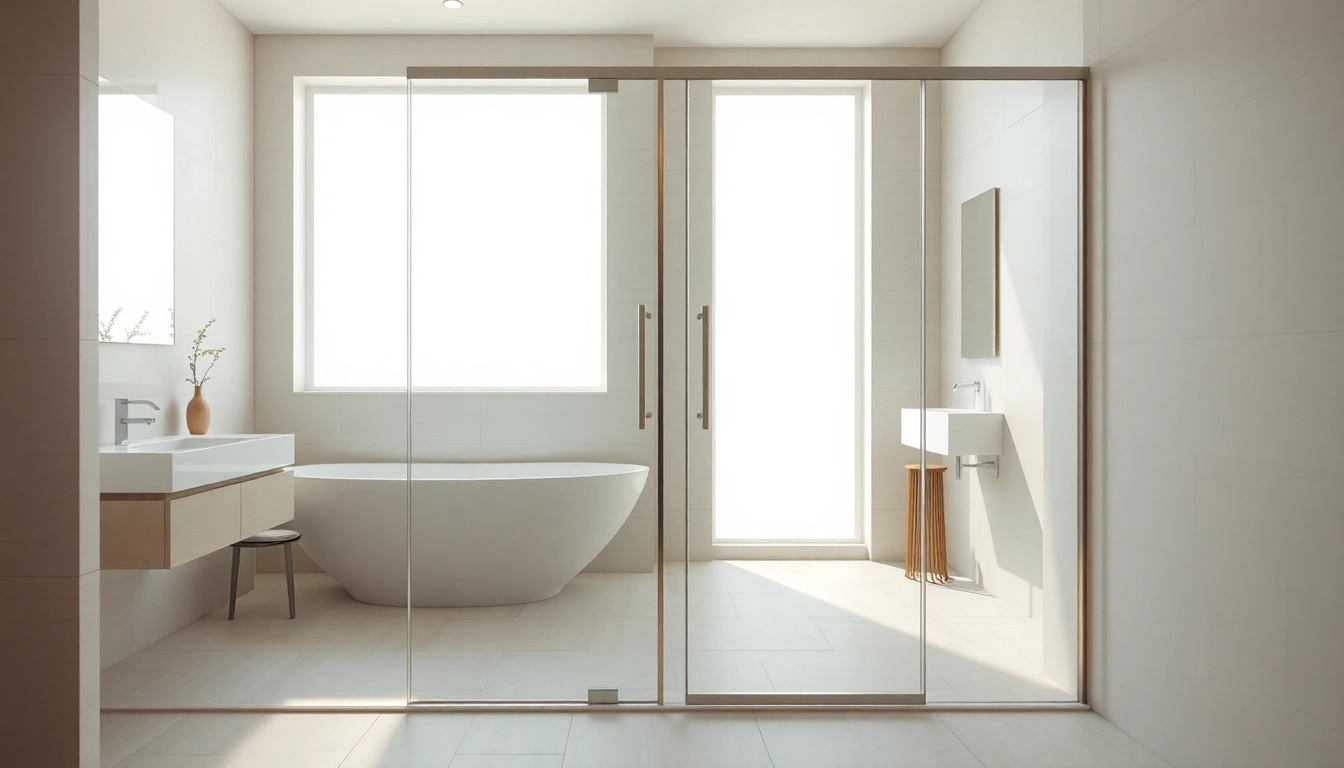
Designing Your Dream Cape Cod Home: Inspiration and Practical Tips

Understanding the Cape Cod Home Aesthetic
The cape cod home has long been revered for its unique architectural style, which harmonizes with the coastal charm of New England. This style reflects simplicity and functionality, catering perfectly to the lifestyle associated with the serene landscapes of Cape Cod. The essential elements that define this aesthetic not only celebrate its historical roots but also adapt beautifully to modern sensibilities.
Key Features of a Cape Cod Home
Characteristic features of a Cape Cod home contribute to its distinctive visual identity. Typically, these homes are one or one-and-a-half stories with steeply pitched roofs, dormer windows, and symmetrical facades. Traditionally clad in weathered cedar shingles, the façade integrates seamlessly with the coastal environment.
- Steep Roofs: The high, sloping roof is designed to prevent snow accumulation, crucial for the northeastern winters.
- Dormer Windows: Adding charm and allowing natural light, they also provide additional space in the upper stories.
- Symmetry: Balanced and proportional windows and doors offer a classic aesthetic appeal.
- Natural Materials: The use of wood shingles and other local materials focuses on sustainability and harmony with nature.
Historical Significance and Evolution
The roots of the Cape Cod home can be traced back to the early 17th century when English settlers sought to build homes that would withstand the harsh winters. The initial designs were influenced by the simple structures of their English counterparts, emphasizing functionality over opulence. Over time, this historic style adapted, incorporating modern amenities while preserving its essential aesthetic qualities.
This evolution has allowed the Cape Cod style to remain relevant, blending seamlessly into different environments while retaining its historical charm. Today, contemporary adaptations may include larger windows, open floor plans, and green building practices, expanding the original design principles into the realm of modern living.
Architecture Styles Influencing Modern Designs
While the traditional Cape Cod home has distinct characteristics, modern interpretations have borrowed elements from various architectural styles. The influence of Colonial, Shingle, and even Craftsman styles can be seen in contemporary designs. These integrations not only enrich the aesthetic but also enhance functionality and livability. For instance:
- Colonial Influence: This style often features symmetrical layouts and a central entry, resonating with Cape Cod principles.
- Shingle Style: This style employs natural shingles and can introduce more elaborate designs and shapes, maintaining a coastal charm.
- Cottage Elements: Combining rustic features with the clean lines of Cape Cod can create cozy, inviting homes.
Planning Your Cape Cod Home Design
Designing a Cape Cod home requires thoughtful planning and attention to detail. From site selection to interior finishes, every decision plays a crucial role in the overall outcome. Understanding the key aspects of design can help foster a space that is aesthetically pleasing and functional.
Choosing the Right Location for Your Home
Location is paramount when planning your cape cod home. Proximity to the coast not only enhances the property’s value but also helps capture breathtaking views and the essence of coastal living. When evaluating potential locations, consider the following:
- Accessibility: Ensure the area is reachable year-round, factoring in storms and seasonal changes.
- Community: Look for neighborhoods with a community spirit that resonates with your lifestyle needs.
- Environmental Conditions: Proximity to the beach may require special considerations for construction techniques that mitigate erosion and flooding risks.
Essential Design Elements to Consider
When envisaging your Cape Cod home, it’s crucial to integrate both aesthetic and functional elements into your design. The following components should be a priority:
- Open Floor Plans: These designs promote interaction among family members, enhancing the home’s warmth and comfort.
- Natural Lighting: Incorporate large windows and sliding glass doors to invite coastal light, creating bright and airy spaces.
- Outdoor Spaces: Consider porches or decks to extend living areas outdoors, perfect for enjoying serene sunsets.
Working with Professionals for Custom Designs
Engaging the right professionals is pivotal in bringing your design visions to life. Architects and home designers knowledgeable in Cape Cod styles can offer invaluable insights. Collaborating with builders who understand local conditions ensures construction adheres to best practices and local guidelines. Here’s what to look for:
- Experience: Opt for professionals with a proven history of designing and building Cape Cod homes.
- Portfolio: Review their past projects to see if their style aligns with your vision.
- References: Speak to previous clients about their experiences and outcomes.
Interior Design Tips for Cape Cod Homes
The interior design of a Cape Cod home should reflect its coastal charm and relaxed lifestyle. Aim for a blend of comfort, functionality, and aesthetic appeal, with an emphasis on incorporating natural elements.
Color Palettes That Embrace Coastal Vibes
Choosing a suitable color palette is essential in creating the desired atmosphere in your home. Coastal-inspired palettes typically draw from the landscape surrounding the property:
- Soft Blues and Greens: These colors evoke the sea and sky, providing a calm and refreshing backdrop.
- Whites and Creams: Bright and neutral tones enhance light and open up spaces, making rooms feel larger.
- Natural Wood Tones: Incorporating woods can bring warmth and texture, balancing out cooler colors.
Furnishing Your Cape Cod Home for Comfort
Comfort is at the heart of Cape Cod living. Opt for furnishings that blend style with coziness while reflecting your personal taste. Consider the following:
- Light Fabrics: Choose natural fibers like linen or cotton for upholstery to enhance breathability.
- Mixing Modern and Traditional: Blend contemporary pieces with classic, rustic items for a unique look.
- Functional Layout: Arrange furniture to facilitate conversation and relaxation, catering to family gatherings.
Incorporating Sustainable Materials and Practices
As environmental consciousness grows, many homeowners are seeking sustainability in design. Selecting materials and practices that are environmentally friendly not only benefits the planet but also enhances the overall quality of your home:
- Reclaimed Wood: Using reclaimed materials adds character while minimizing environmental impact.
- Energy Efficiency: Invest in energy-efficient appliances and systems; they can lower long-term costs and reduce environmental impact.
- Natural Insulation: Utilize eco-friendly insulation materials to maintain temperature and reduce reliance on heating and cooling systems.
Outdoor Spaces: Creating a Welcoming Environment
Outdoor spaces are integral to the Cape Cod experience. They provide not only additional living areas but also opportunities to connect with nature. Thoughtful planning is essential to maximize these spaces.
Landscaping Ideas That Complement Your Home
Landscaping should enhance your home’s aesthetics while reflecting the natural beauty of the area. Consider incorporating native plants that require minimal maintenance and are resilient to local weather conditions. Ideas include:
- Coastal Grasses: Add texture and movement to your yard with native grasses that sway in the breeze.
- Flowering Perennials: Bright, colorful blooms can create a cheerful atmosphere and attract pollinators.
- Low-Maintenance Hardscaping: Use stones and paths to create functional outdoor spaces without excessive upkeep.
Building a Functional Outdoor Living Area
A well-designed outdoor living area extends your home and enhances the coastal lifestyle. Consider elements such as:
- Flooring Materials: Use slip-resistant materials that can withstand coastal elements.
- Seating: Incorporate comfortable furnishings that invite relaxation and interaction.
- Shade Solutions: Install pergolas or canopies to provide relief from the sun while enjoying outdoor activities.
Protecting Your Home from Coastal Elements
Building in a coastal environment comes with unique challenges, including weather elements such as salt, wind, and humidity. To ensure the longevity of your Cape Cod home, consider the following protective measures:
- Storm Windows: Install impact-resistant windows that can withstand harsh weather conditions.
- Regular Maintenance: Schedule regular inspections and maintenance checks to address any concerns early.
- Elevated Foundations: Consider building on elevated foundations to minimize flooding risks.
Building and Renovating Cape Cod Homes
Whether constructing a new Cape Cod home or renovating an existing one, understanding the complexities involved is crucial for successful outcomes. Highlights of this process include selecting quality materials, addressing construction challenges, and ensuring ongoing maintenance.
Choosing Quality Materials for Longevity
Material selection plays a vital role in the durability and performance of your home. Opting for high-quality materials not only ensures longevity but also reduces maintenance needs over time:
- Cedar Shingles: Known for their durability and resistance to harsh weather, they can withstand the coastal climate.
- Composite Decking: This option combines durability with low maintenance, perfect for outdoor living spaces.
- Energy-Efficient Windows: Invest in high-performance windows that reduce energy loss while offering protection from the elements.
Common Challenges in Construction and Renovation
Building or renovating a Cape Cod home presents unique construction challenges. Key hurdles include:
- Weather Disruptions: Coastal construction can face unpredictable weather delays; planning for built-in flexibility is essential.
- Permitting and Regulations: Understand local building codes and regulations; compliance is critical to avoid costly setbacks.
- Budget Management: Staying within budget can be challenging; develop detailed project costings and stick to them.
Maintaining Your Cape Cod Home Over Time
Routine maintenance is imperative for preserving the beauty and functionality of your Cape Cod home. Develop a proactive maintenance schedule to address both interior and exterior needs:
- Regular Inspections: Conduct annual assessments to identify potential issues before they escalate.
- Seasonal Care: Prepare your home for changing seasons, including gutter cleaning and roof inspections.
- Exterior Upkeep: Regularly paint and maintain the exterior to protect against moisture damage.
Frequently Asked Questions
What defines a Cape Cod home?
A Cape Cod home typically features steeply pitched roofs, dormer windows, and traditional wood siding, reflecting its coastal origins.
How should I choose the location for my Cape Cod home?
Select a location that offers accessibility, community, and consideration of environmental factors like flood risks.
Can I modernize a traditional Cape Cod home?
Yes, modernizing a Cape Cod home can include open floor plans, larger windows, and eco-friendly materials, while preserving its essence.
What are effective landscaping ideas for Cape Cod homes?
Use native plants, coastal grasses, and low-maintenance hardscaping to enhance the home’s outdoor space while minimizing upkeep.
How do I maintain a Cape Cod home’s exterior?
Regular inspections, seasonal preparations, and repainting as needed are essential to protect your home from coastal weather conditions.